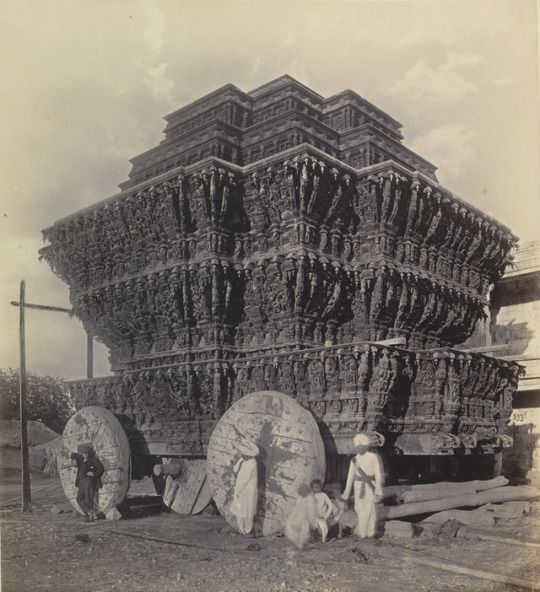
During the years Ralph Waldo Emerson attended Harvard University, the school valued exposition on “The Oriental Theme.” On March 7, 1821 Emerson was assigned “A Poem. Indian Superstition — 100 lines,” for the Harvard College Exhibition on April 24 of the same year. The poem he wrote was thought lost until the 1950s, when a John L. Cooley, Esq. of New York discovered what appeared to be the final edited and bound version of Emerson’s Indian Superstition among papers he had inherited.
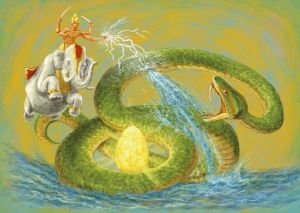
In the poem, Emerson refers to the legend of the Ṛgvedic god Indra, who saved the world from the demon (asuraḥ) Vṛtra (the enveloper). Vṛtra captured the heavens and brought chaos to the world in the form of drought, starvation, extreme storms, mass destruction and darkness. Indra was called by the gods to save the world and he smote Vṛtra with his massive sparking mace. A famous version of this legendary battle between Indra and Vṛtra is fund in a hymn to Indra in Mandala I of the Ṛgvedāḥ. Here is an excerpt from that hymn’s account of the battle.
Indra (RV I.32) ~ Hiraṇyastūpa Āṅgirasa
- He smashed the serpent resting on the mountain — for him Tvaṣṭar had fashioned the vibrating mace. Like bellowing milk-cows, streaming out, the waters went straight down to the sea.
- Acting the bull, he chose for his own the soma. He drank of the pressed soma among the Trikadrukas. The generous one took up his missile, the mace. He smashed him, the first-born of serpents.
- When you, Indra, smashed the first-born of serpents and then beguiled the wiles of the wily ones, then, giving birth to the sun, the heaven, and the dawn, since that time you have surely never found a rival.
- Indra smashed Vr̥tra, the very great obstacle, whose shoulders were spread apart, with his mace, his great weapon. Like logs hewn apart by an axe, the serpent would lie, soaking the earth (with his blood).
- For, like a drunken warrior undone, he challenged the hard-pressing great hero whose is the silvery drink (soma), and did not withstand the attack of his weapons. His mouth destroyed by the shattering blow, he, whose rival was Indra, was completely crushed.
- Handless and footless, he gave battle to Indra, who smashed his mace upon his back. A steer who tried to be the measure of a bull, Vr̥tra lay there, flung apart in many places.
Indian Superstition
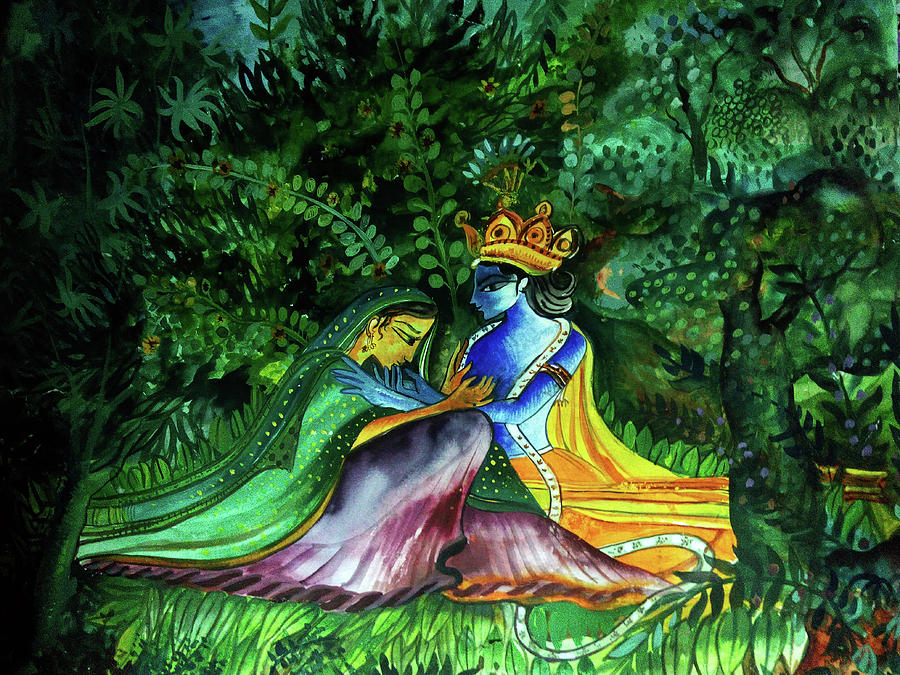
Cushioned on golden clouds there are those who sail and clad in splendour ride the summer gale.
Who sweep the atmosphere on painted wing, swell their rich music and adore their king. Whose silver lutes at sombre twilight play a soft farewell to all the pride of day.
— Not these we seek — yet from its cavern low, we fain would pluck the book of Prospero.
Far o’er the East, where boundless Ocean smiles and greets the wanderer to his thousand isles, Dishonoured India clanks her sullen chain, and wails her desolation to the main.
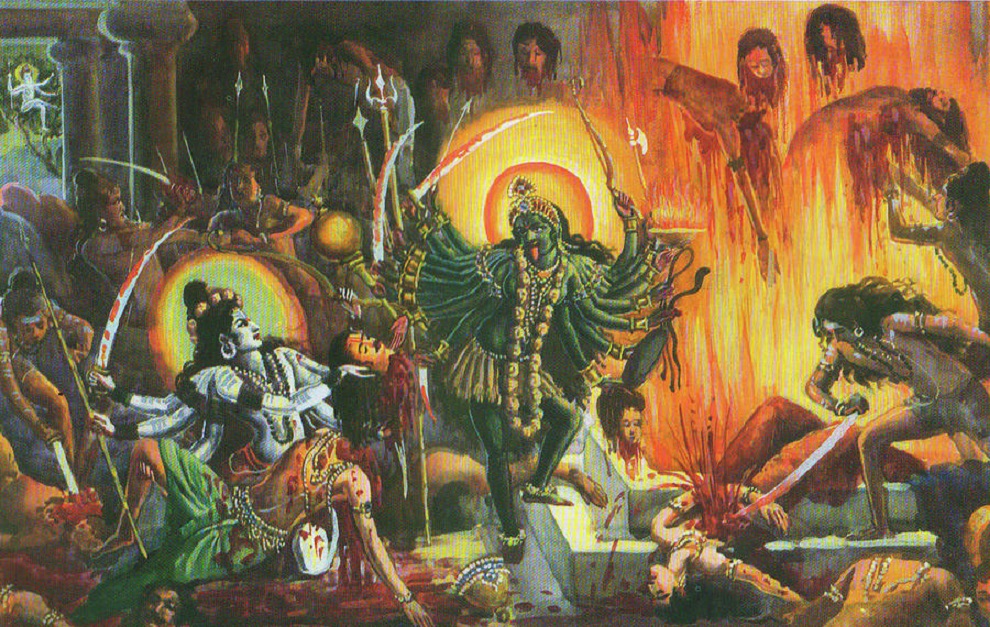
To her dark land the banded fiends resort, and Superstition crowds his haggard court. The bloated monster gluts his hellish brood, gorging his banquet with the people’s blood.
Loud on the wind the shrieks of anguish rang, from victims writhing to his lion fang. Lured by their frantic cry Rapine came, with scorpion whip and faulchion edged with flame.
And the poor victim urged his bloody toil, for tyrants spurning at the wretch they spoil. O’er man the car of fiends tremendous rolled.
On high the laugh of demons scared the bold. A cry from heaven pealed awful on their ear, and woke no echo, save the scream of fear.
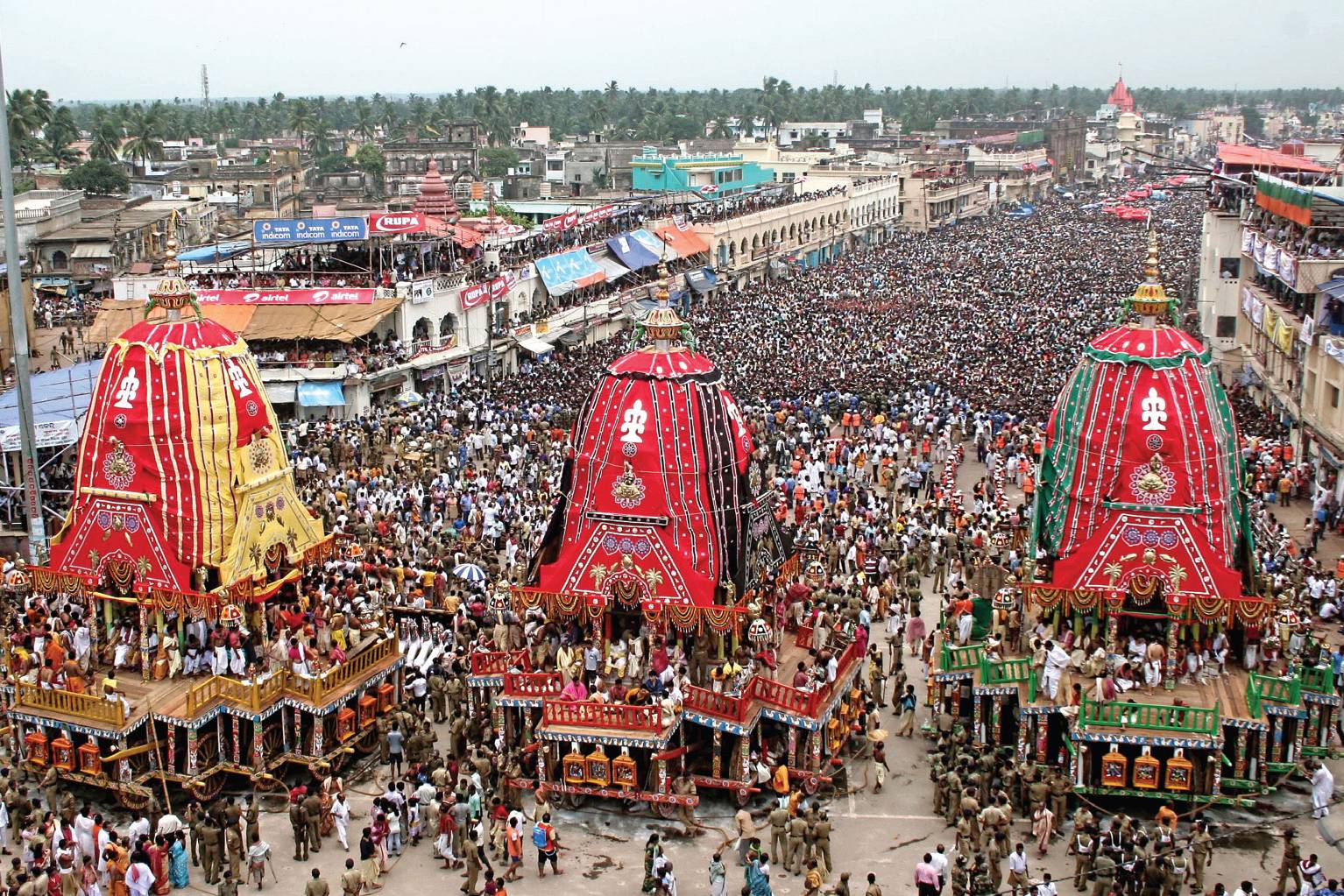
The shouts of joy, the burst of proud applause, hope’s happy song – the Victory’s tale of wars – Were hushed to whispers of the stifled breath, still as the marble lineaments of death.
Sunk in the grim abyss of misery, crushed with the loaded wrath of earth and sky. Men bowed them down to slavery and chains, and labour’s crimson drops came bursting from their veins.
The maddened mother clasped her shuddering child, and flung him to the wave with accent wild.
Despair’s low moan arose while Rapine prowled, and maniac Horror clapped his hands and howled. Where distant times might lift the song of praise, and men commend their sires in loud-voiced lays.
In such wild worship to mysterious powers, the Indian stands in Ganges’ holy bowers. On the hot sands where human nature fails, with Vishnu’s aid he braves the fiery gales.
His caney hut on beds of lotus reared, the groves of palm where Brahma was revered. Soft though they seem to fancy’s cheated eye, these yield no shelter to the brave that die.
Bewildered fancies in his scriptures tell— No faint oblations soothe the gods of hell.
Go snuff the Dragon’s breath, whose monstrous coil girdles the world with everlasting toil.
In the fierce ardour of the noon-tide sun, drink in the blast, for patient penance done.
Else — seek thy doom, and find it with the dead, and Yemen’s vengeance revel on thy head!
They sleep a sleep the thunder will not wake. They thirst with thirst which Ocean cannot slake. Not Brahma’s self can quench the burning storm, and Seeva’s red hand our promise shall perform.
Vain the ambitious toil by hope, led on to match proud Grandeur on his blazoned throne. In the mid path to Honour’s glittering shrine, stands the stern Bramin armed with plagues divine.
Whose wrath outgoes his daemon’s yelling storm,— Scoffs at the prayers which kneeling hope can form. Due to presumption claims a forfeit life, and lifts with taunting gibe the consecrated knife.
No crown of glory sheds its light for him. No raptured trance reveals the cherubim. Nor heaven nor earth contain a hope to save, and wan Despair doth mock him in the grave.
[Emerson’s note.] The following paragraph alludes to the degradation of the lowest caste in India and the punishment which attends an attempt to alter their condition.
How long shall anxious ages roll away, unblest with promise of approaching day.
Ere India’s giant genius strongly wake, stretched in dark slumber o’er Oblivions lake, Snatch from his heaven, aspiring to be free, the crystal cup of Immortality?
Oh who can tell what joy creation owns through all her myriad Powers on sunbright thrones.
When crushed by all the plagues which blast the earth, A nation struggles into godlike birth. Such have been written on the page of time, and thou sad land mayst read the tale sublime.
Once, wreathed in light, a peerless maiden shone, high on her mountain-girdled land, alone.
Round the bright summit, in the distant sky, the far clouds mustered and the storm drew nigh.
The growling thunderclouds of death rolled on, and hid the sweet light of the golden sun.
That maid’s majestic eye beheld serene, the gathering terrors of the hostile scene.
While o’er her head the Storm’s black legions closed, and launched the bolt which all the fiends composed.
Fate snatched her scatheless from the impending blow, and wove the laurelled lightnings round Columbia’s brow.
Oh once illustrious in the elder time!
Young muses caroled in thy sunny clime. When maids of heaven the flowers celestial curled, to twine the pillars which sustain the world.
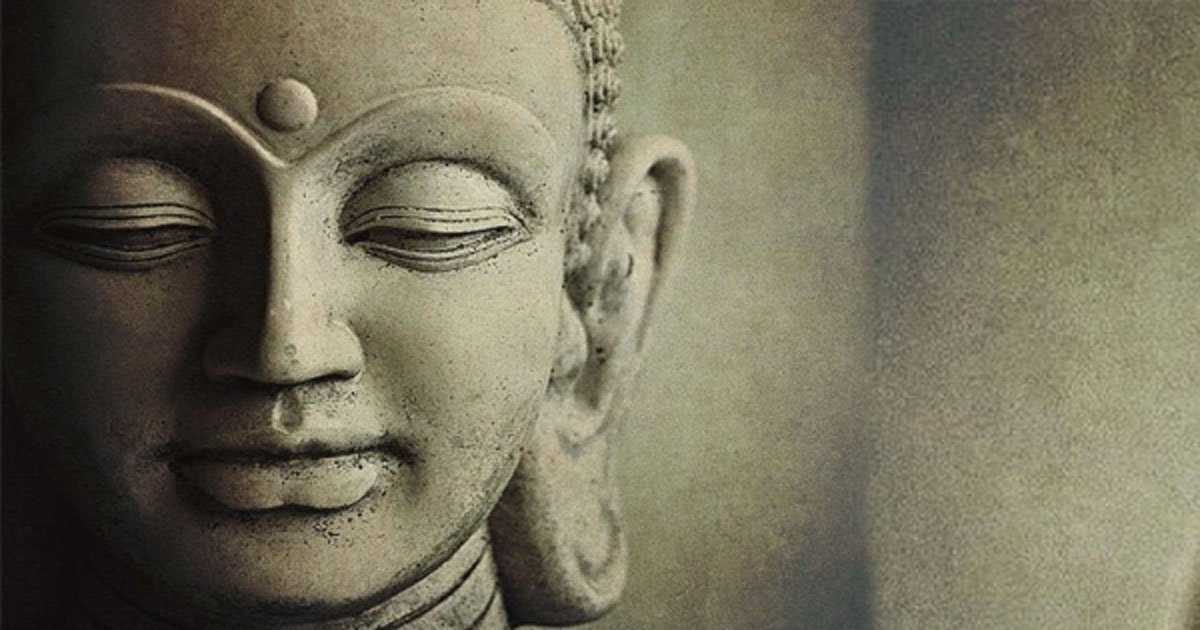
When Brahma, for thy land, in distance viewed, abandoned his empyreal solitude. Serene the Father veiled his glory mild, crowned thee with joy and blest his favourite child.
Fair Science pondered on thy mountain brow, and sages mused — where Havoc welters now. The dazzling crown was thine, which soothed the brave, gathered in their rich glory, to the grave.
Alas! thy wreath is sear, thy banners stained, thy faith perverted, and thy shrines profaned. The cormorant sits lonely in thy walls. The bittern shrieks to Ruin’s echoing halls.
Robbed of its ancient pride, thy brow appears sad with the sorrows of unnumbered years. What choral burst awakes the startled deep? What visions strike Oblivion’s iron sleep? — Gaze on yon parting cloud’s refulgent shew! Revealing angel forms to men below—
The maids of empire come, whose awful sway the prostrate nations of the world obey. The cloud pavilion purples round the throng, whose sweeping folds give echo to their song.
India, they come to see thy shackles riven, to throw thy thraldom to the winds of heaven. The holy cherubim in heaven shall bow, the archangel’s trump ring out its triumph now. Whose raptured note sounds out for aye farewell, to Superstition and the hosts of hell.
First in that throng— gathering her Eagle’s food. Land of our pride! Thy guardian angel stood. Flushed from her strife in Freedom’s conquering cause, she holds the charter of sword-sanctioned laws.
Fair as the dayspring, clad in burnished mail, Queen of the East! She hastes to bid thee hail.
No Indra thunders in Columbia’s sky, no “man-almighty” grasps at destiny. Bold were the arm whose rash presumption strove, to tamper with the Power whose law we love.
— Look through the land!
In every lonely glen Fair Freedom starts, amid the huts of men. Girds her bright armour round the limbs of Health, and mounts the marble battlement of wealth.
Wide through the nations is her watchword known, her spear uplifted, and her bugle blown.
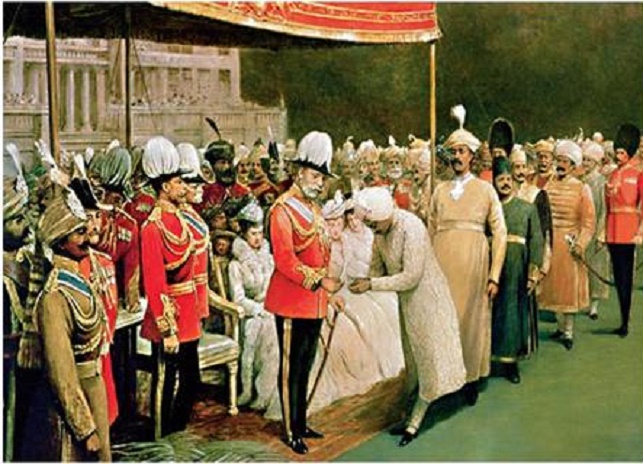
That sound went out with power across the globe, to rend the idol and the royal robe. India hath caught it, where her ample moon rose to the music of the loud monsoon.
Its latest echo woke the Italian shore — It shall not sleep till Time shall be no more.
Emerson, Apr. 14 1821

 Epistemic Instruments